Critical Best Practices for Successful External Digital Display Implementation
Wiki Article
Open-Air smart visual screens has increasingly emerged as an visual communication medium used by organizations, public agencies, and institutions aiming for high public visibility with up-to-date visual messaging. Unlike interior visual systems, outdoor networked displays are required to operate dependably across dynamic outdoor conditions while delivering sharp visual presentation. Every effective installation is built on planning, engineering correctness, plus a solid assessment regarding physical requirements. Factors including site evaluation, weather-related exposure, and technical support directly shape outcomes. Handling these key factors during planning serves to reduce repair issues while promotes ongoing system reliability.
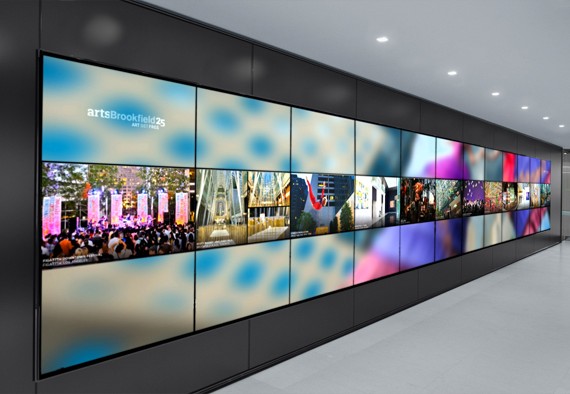
A primary aspects involved in open-air networked visual signage installation centers on placement selection combined with audience visibility. The installation placement for the display is expected to align to typical walkway traffic, traffic driver visibility, as well as viewing distance range. Display dimensions, image resolution, as well as brightness settings need to match each environment to help ensure on-screen content is easy to read across intense sunlight as well as nighttime settings. Reflection control, observer angles of view, plus near buildings additionally impact viewer attention. Careful placement evaluation drives strong communication display and also browse around this web-site meeting alignment to municipal zoning and signage requirements.
Environmental defense represents an additional vital aspect in external electronic signage solutions. Displays are required to remain fully contained within protective cabinets manufactured so as to withstand water exposure, particulates, humidity, and temperature fluctuations. Appropriate environmental protection ratings, airflow components, and temperature dissipation systems serve to reduce overheating and additional info internal component failure. Structural strength is also important, as support fixtures should handle environmental stress as well as vibration over periods. Such preventive actions maximize display service life while also lower the system downtime.
Power-related plus network frameworks hold a critical part in supporting reliable electronic signage performance. External installations demand proper electrical routing, grounding designs, as well as electrical surge suppression to protect against energy irregularities. Data network availability, whether wired or radio-based networks, needs to maintain reliable information transmission to allow message changes and platform oversight. Wiring organization as well as protective conduit installation must follow recognized standards to help shield against potential environmental harm and weather impact. Strong system design development supports reliable information distribution and efficient system operation.
Media strategy plus support processes support a successful open-air networked display installation. Content needs to be carefully designed to allow fast interpretation, through suitable text proportions, contrast ratios, and animation management designed for public viewing. Ongoing upkeep procedures, involving system updates, hardware inspections, and preventive care, are intended to preserve image clarity while also network stability. Performance monitoring tools systems help flag anomalies quickly and support proactive maintenance. When technical execution delivery as well as media control are coordinated, outdoor digital visual signage functions as a long-term as well as reliable messaging system.